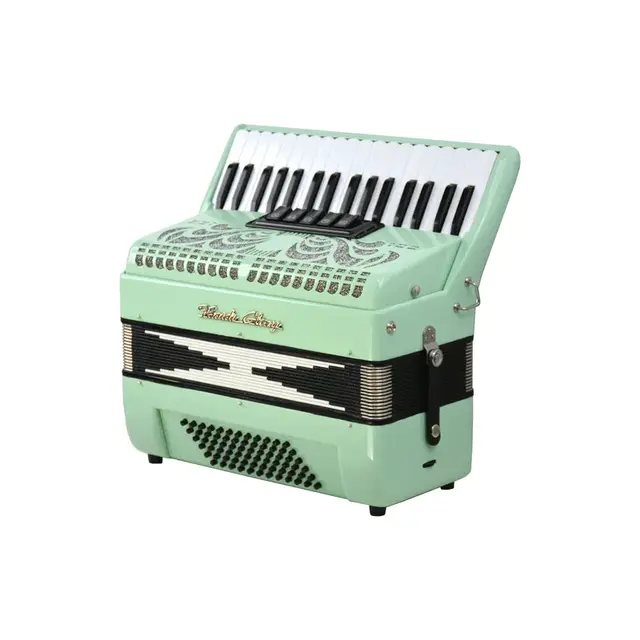
Two keyboards with similar photographs can serve very different purposes. A student working toward acoustic piano technique has different priorities from a producer entering notes or a player performing organ parts. Define that primary use before comparing sound libraries and screen sizes.
1. Separate action from touch sensitivity
Weighted and hammer actions aim to provide physical resistance associated with piano playing. Touch sensitivity describes how the sound responds to playing force; it does not guarantee a weighted mechanism. Yamaha distinguishes these features in its digital piano guidance. If piano study is the goal, ask your teacher about the required action and range. For synth or organ parts, a lighter action may suit the playing style and reduce transport weight.
2. Test control across the keyboard
Play slow notes, quiet chords and repeated notes at several positions. Notice whether you can control changes in loudness without excessive effort. Try the pedal supplied with the instrument and confirm whether half-pedalling is supported when you need it. Compare through similar headphones as well as the internal speakers. A convincing demonstration preset does not tell you how comfortably you can practise scales or balance melody and accompaniment.
3. Confirm what every connection does
A MIDI connection carries performance instructions; it does not by itself carry the sound you hear from the instrument. USB capabilities differ, so check whether the exact model supports MIDI, audio, or both. Confirm compatibility with your computer or mobile device and any required drivers or adapters. For stage use, check the available audio outputs. For lessons at home, accessible headphone sockets and a stable music rest may be more useful than advanced editing features.
4. Price the complete setup
Measure the intended space with the stand, bench, pedal and player in position. Confirm whether the advertised package includes a suitable stand, power supply and sustain pedal. A portable instrument still needs a stable surface at a comfortable height. If you will move it regularly, check packed dimensions, weight and case availability. Keep a shortlist based on action, range, connections and daily convenience, then compare the sounds you expect to use most often.
Technical references: Yamaha, A Quick Guide to Weighted Keys; Yamaha, Digital Keyboard and Digital Piano Differences; Yamaha, Guide to Choosing a Keyboard.
Product information: MojoZone Editorial

Community
The conversation
Contributions appear after moderation. Share your own experience and keep personal contact details private.