
An electronic drum kit can make regular practice easier to accommodate, but the practical setup deserves as much attention as the sound module. Plan where the kit will stand, how you will listen and whether other people share the building.
1. Listen to the kit without headphones
Headphones control the amplified sound, but sticks and pedals still create mechanical noise. Ask someone to play while you listen nearby, paying particular attention to the kick pedal and hi-hat. In an upstairs room, vibration can also travel through the structure. Consider the floor, practice schedule and available space before committing. A compact footprint is useful only if the pads and pedals can be placed comfortably for the player.
2. Examine the parts your technique touches
Mesh and rubber pads can feel different, and pad size affects where you naturally place your strokes. Test gentle hits, louder accents and quick repeated notes. Try the hi-hat at different openings and check whether the cymbals respond as you expect. Confirm the number of supported playing zones for the actual pad and module combination. More advertised sounds do not compensate for a layout that makes basic coordination awkward.
3. Check practice and recording functions
A clear metronome, an easy way to play backing tracks and accessible volume controls can make the kit more useful every day. Try these functions during the demonstration rather than relying on a feature list. If you want computer recording, distinguish USB MIDI from USB audio and confirm what the model supports. Check whether you can record the whole mix or separate parts, and which software or cables are required.
4. Account for the complete playing system
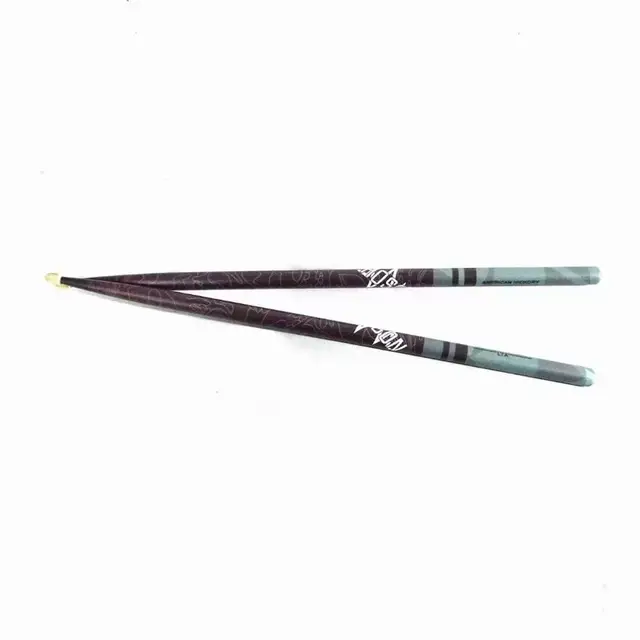
Some packages omit the throne, kick pedal, headphones or sticks. Write down every included item and compare complete costs. Confirm the rack’s adjustment range, replacement pad availability and module compatibility before planning upgrades. Acoustic kits have their own strengths in feel and sound, while electronic kits offer convenient volume control and practice tools. Choose the system you can use regularly, with enough budget left for a secure playing position and appropriate instruction.
Technical references: Roland, What Type of Drum Kit Is Best for Beginners; Roland, Electronic Drums Frequently Asked Questions.
Product information: MojoZone Editorial
Community
The conversation
Contributions appear after moderation. Share your own experience and keep personal contact details private.